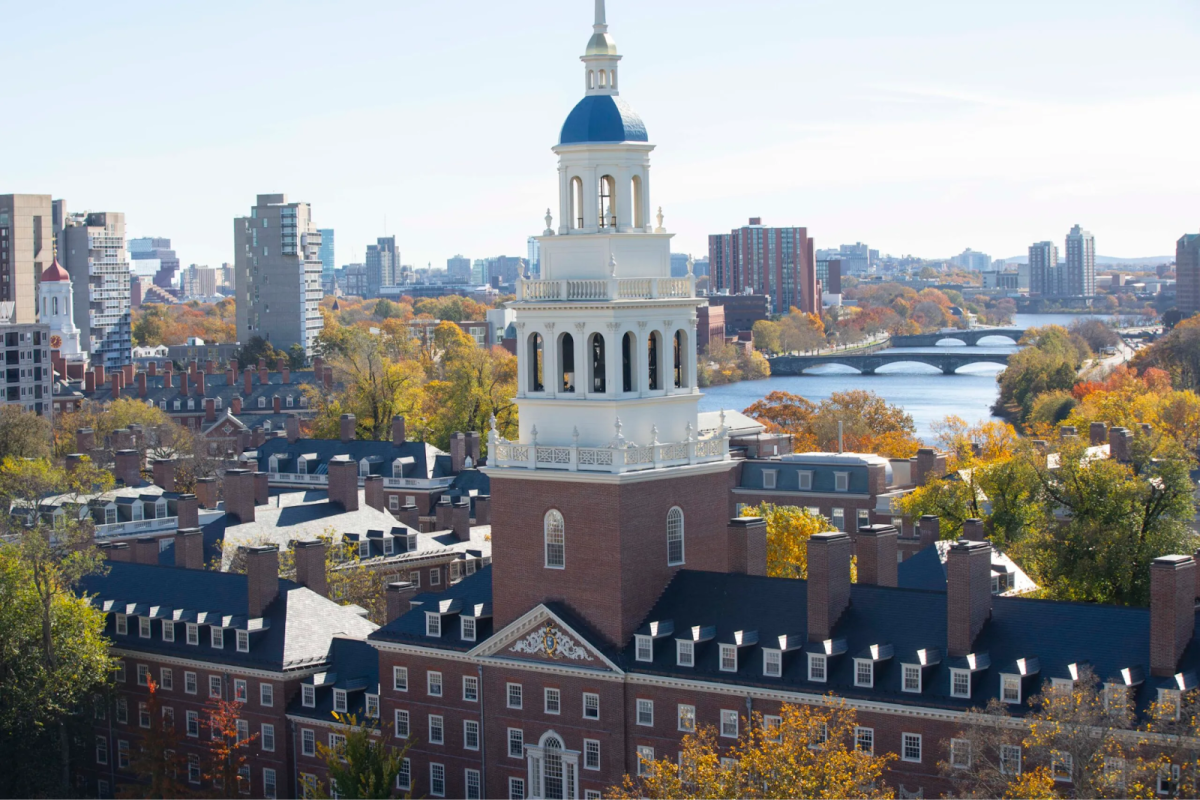
This summer, lawyers of Harvard University and the Trump administration faced off in a legal battle over the future of the government’s role in education. Fighting over President Trump’s commitment to deprive billions of dollars worth of government funding from the University due to antisemitism on campus, the case has been closely watched by universities across the country who have experienced similar funding cuts. The case is occurring as the president is attempting to ban Harvard from using a visa system that facilitates the enrollment of foreign students. This separate lawsuit was temporarily decided in favor of Harvard through a judge’s interim ruling reaffirming a temporary block on the government’s orders.
Harvard’s most recent lawsuit with the Trump administration case was recently decided in the U.S. District Court in Boston, at least temporarily. Judge Allison D. Burroughs, the district justice overseeing both cases, has pushed back on the Trump administration’s argument to hold back the 2 billion dollars in federal grants, questioning “how denying money allocated for medical research would stop antisemitism.” The administration’s lawyer, Michael Velchik, responded that the cuts were a necessary punishment as the administration has the right to defund the university because “Harvard prioritised campus protesters over cancer research,” referencing the anti-Israel protest at the university that also occurred campused across the country; he argued that as a result the university had violated Title VI of the Civil Rights Act.
Harvard’s lawyer, Steven Lehotsky maintained that “the administration has given no consideration to patients, the public at large and the harm of all this research being cut off,” emphasizing Harvard’s pivotal research spanning over 8 decades. He asserted that the Administration was trying to control the “inner workings” of the university and cutting money going to research in medicine, science and technology would not nullify antisemitism on campus.
In the hopes of recovering the lost funding, Harvard requested the judge to reach a decision by the 3rd of September. The court complied and on that exact day, U.S. District Judge Allison Burroughs of Boston ruled that the government denying a university funding over disobeying the Trump Administration’s demands was an “illegal retaliation,” noting that restricting university research funding had a tenuous connection to antisemitism.
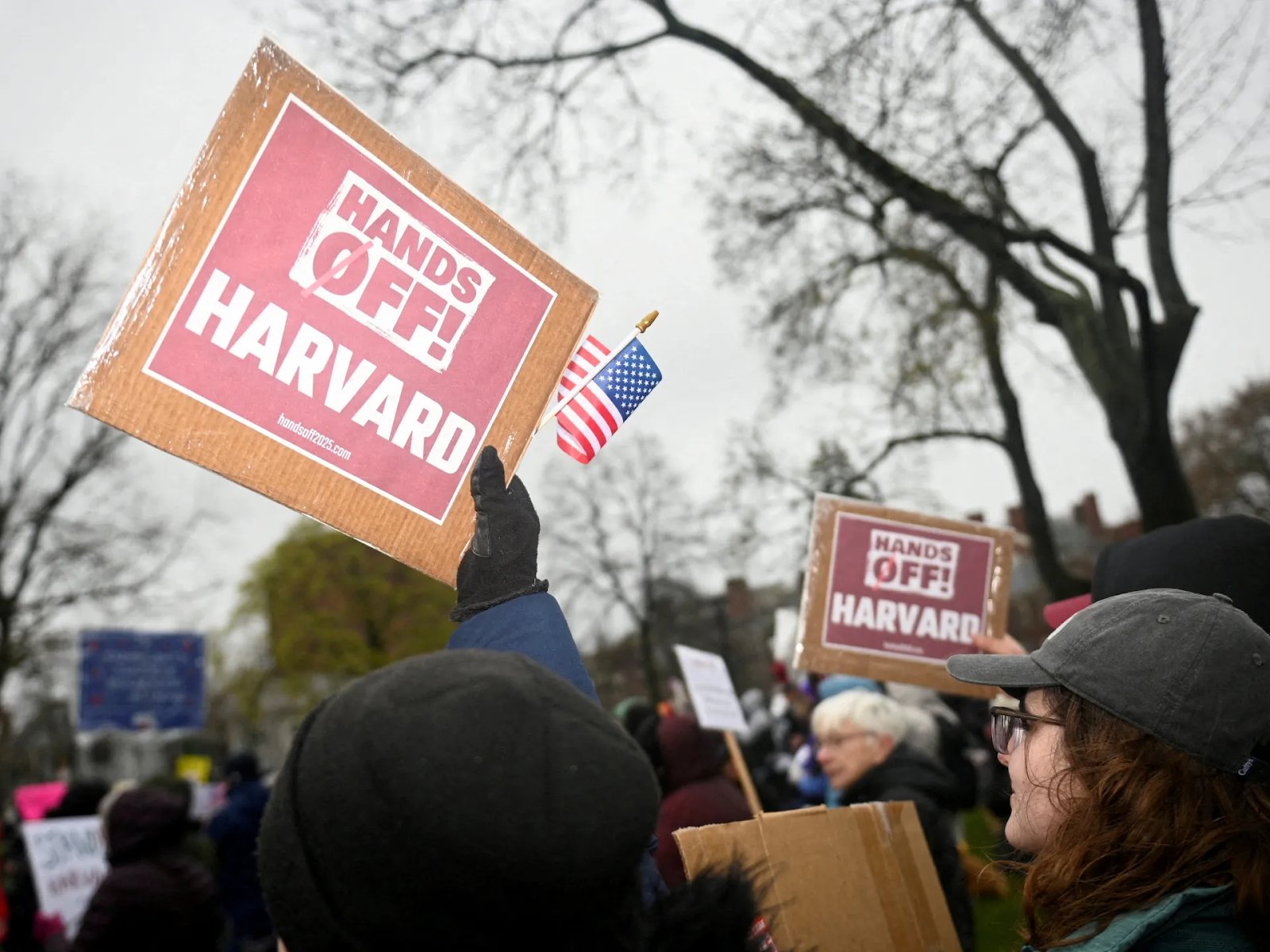
Regardless of the ruling of this case, the issue is far from being decided, with a ruling of the court likely becoming appealed to the Supreme Court by the Trump administration. The case will set important legal precedent for or against government involvement in private collegiate education. This significance is undoubtedly felt by universities across the country and by those involved with the university. Consequently, protesters gathered outside the Boston courthouse, including Harvard’s alumni, students, and its supporters during the trial.
Although it is not always noticeable in the moment, loss of funding in sectors such as medicine and science will be felt for years to come as top universities are responsible for large portions of pivotal, ground-breaking research. Coupled with the substantial funding cuts at the National Institutes of Health and Center for Disease Control, the sharp decrease in available medical grants for new and continuing research will have ripple effects across the country and substantially curb medical advancements in the foreseeable future.