

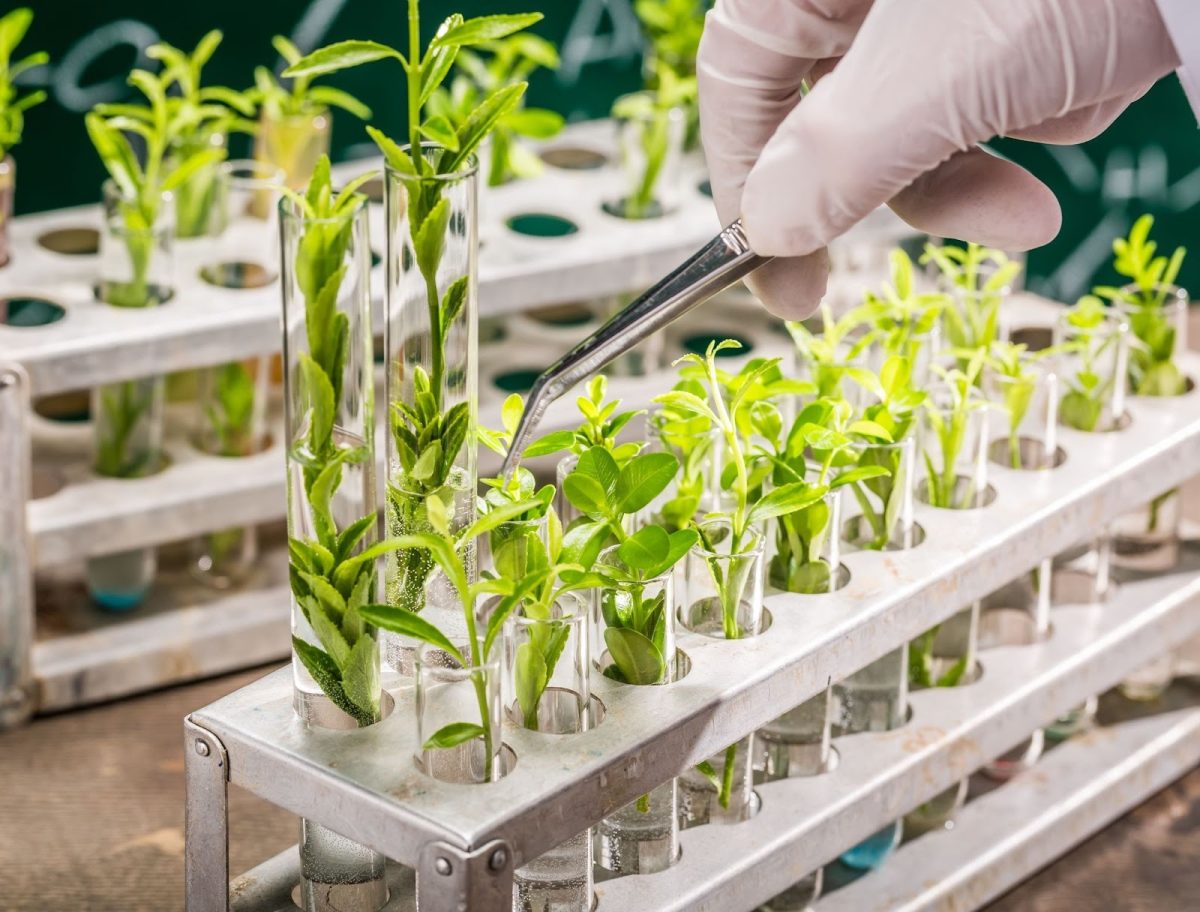
Many people are astonished that plants can be bred; that they have families, or genders, or sexual reproduction. The question “How does that all work?” crosses the minds of many, but is rarely researched. And so, here is the run-down!
Simple Stuff
The crossing of two plants is similar to that of crossing animals – at least in results. Plants are bred to produce offspring that share the ideal characteristics of the first generation. Many farmers have done this for generations of agriculture. Plant breeding is a way to overcome agricultural challenges, but also to satisfy commerce.
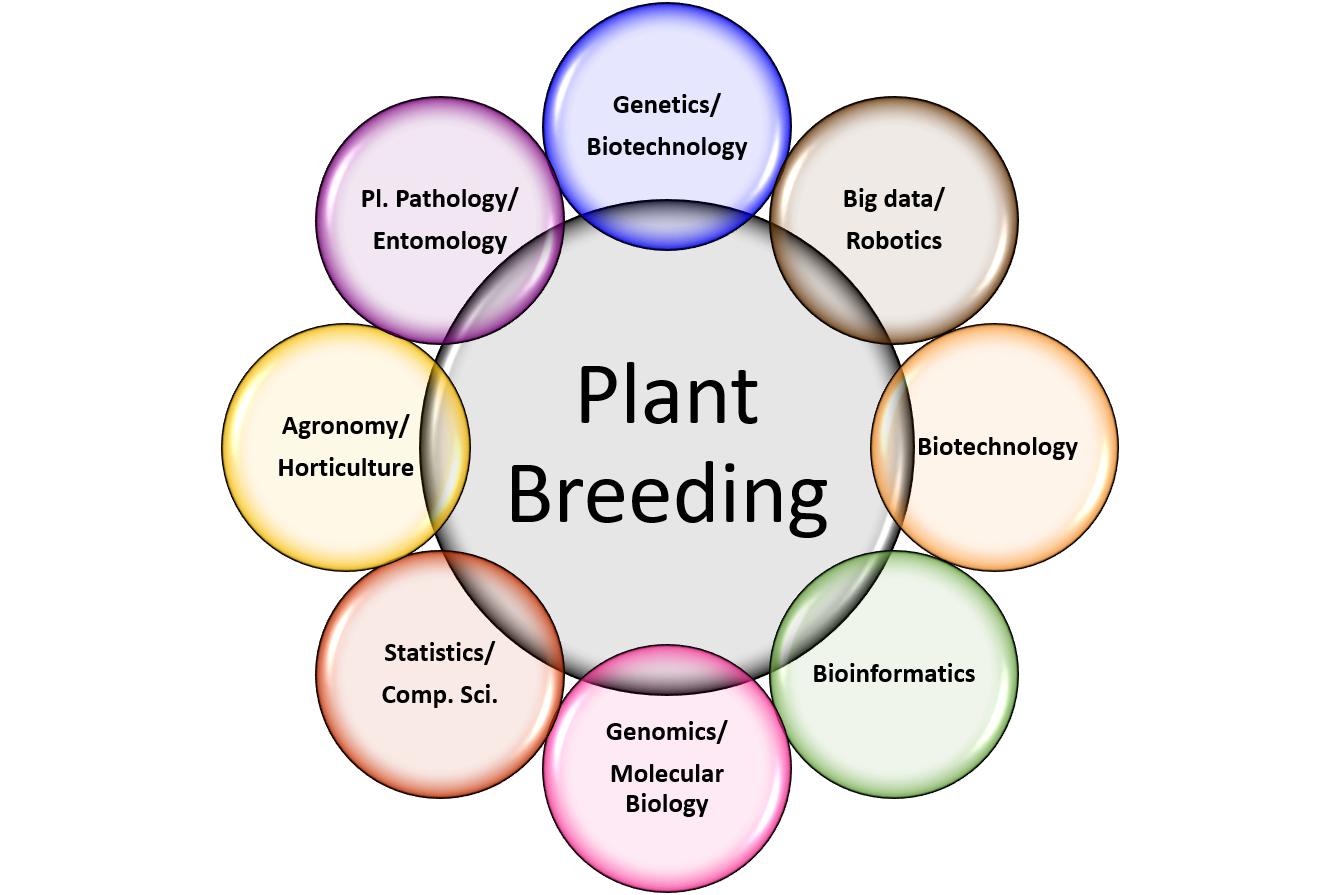
Plant breeding is a process used to develop better plants by selecting and combining the best traits from different varieties. It starts with choosing parent plants that have desirable qualities, like disease resistance, high yield, or good flavor. These plants are then cross-pollinated so their traits mix in the next generation. The seeds from these crosses are planted, and the new plants are carefully observed. Breeders select the ones that turn out the best and repeat the process over several generations to strengthen and stabilize the desired traits. Once a new plant variety performs well in different conditions, it can be released for farmers to grow. It’s a step-by-step process that helps improve the crops we rely on every day.
Selecting Parent Plants
The first step in plant breeding is to choose parent plants that show the best traits you want to improve or combine. For example, a plant that produces large, tasty fruit or one that resists disease well might be selected. This careful selection is important because the traits of the parents affect the qualities of the offspring.
Cross-Pollination
Once the parent plants are chosen, breeders cross-pollinate them. This means pollen from one plant is transferred to the flower of another to mix their genetic material. Cross-pollination allows traits from both parents to combine in the seeds, which will grow into the next generation of plants.
Growing the Seeds
The seeds produced from cross-pollination are then planted and grown. This new generation of plants can show a variety of traits, since genes from both parents combine in different ways. Breeders grow many plants to see which ones show the best combination of traits.
Selecting the Best Offspring
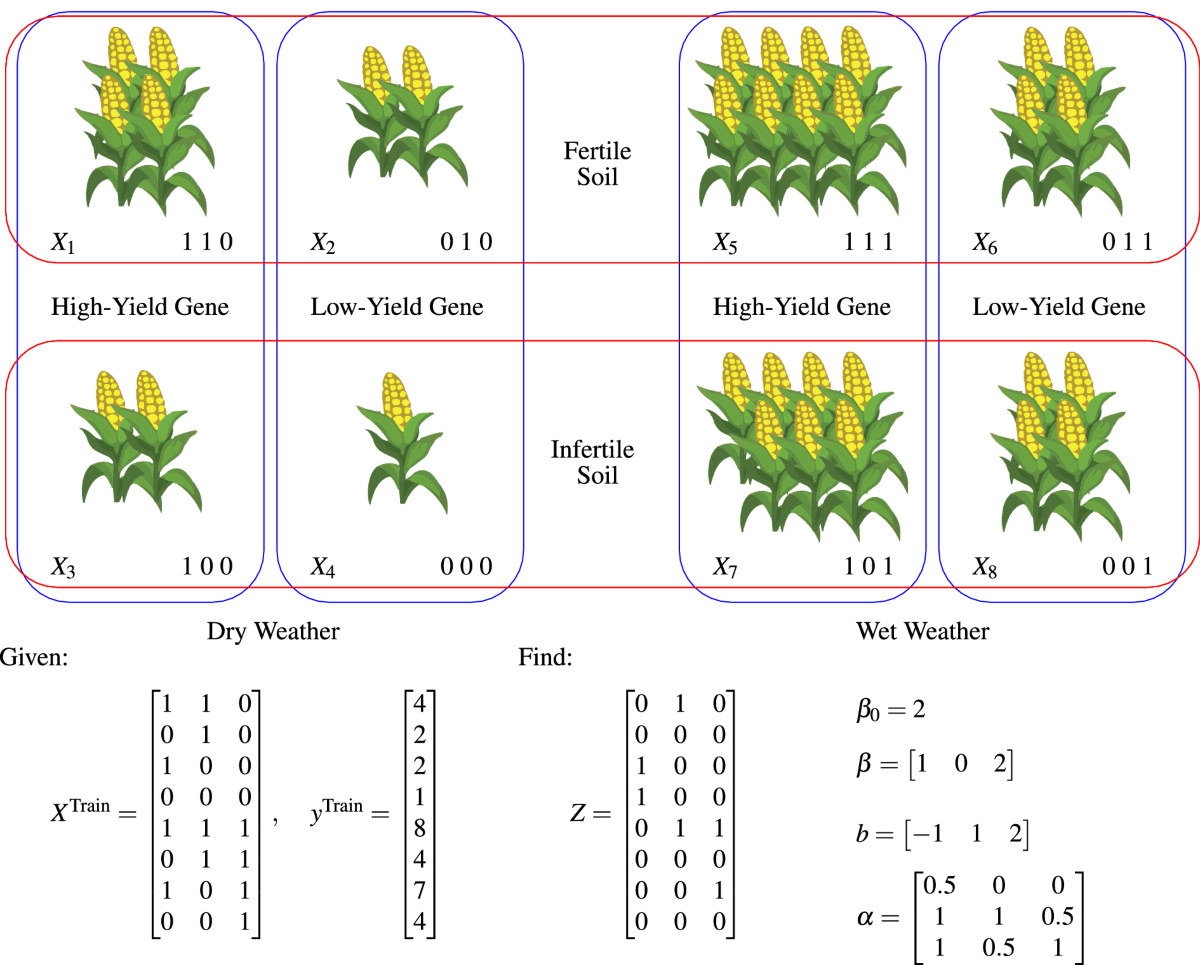
From the new plants grown, breeders pick the individuals that have the most desirable traits, such as better taste, higher yield, or stronger disease resistance. This step is called selection and helps focus on plants that have the qualities needed for future generations.
Repeating the Process
Breeders repeat the process of growing, selecting, and crossing over several generations. This helps ensure that the good traits become stable and consistent in the plants. Over time, the plants will reliably pass these traits to their offspring.
Testing and Releasing New Varieties
Before new plant varieties are made widely available, they undergo field testing in different environments to make sure they grow well and have the desired traits under real farming conditions. Once these tests are successful, the new variety is released for farmers to plant and for the public to enjoy.
Plant breeding is a powerful and ongoing process that helps improve the crops we depend on every day. By carefully selecting, crossing, and testing plants over many generations, breeders create new varieties that are stronger, tastier, and better suited to different environments. This blend of tradition and science plays a key role in feeding the world and adapting to challenges like climate change. Whether it’s the fruits, vegetables, or grains on your plate, plant breeding quietly shapes the food of the future.
Sources: