

Hurricane Melissa, a catastrophic tropical cyclone, made landfall in Jamaica on October 28th, 2025. The fifth hurricane (and third Category 5 storm) of the 2025 Atlantic hurricane season left Jamaica, Hispaniola, and parts of Cuba completely devastated.
To be classified as a hurricane, a storm must sustain winds of at least 74 miles per hour. The Saffir-Simpson Hurricane Wind Scale, which ranks storms from Category 1 to 5 based on one-minute sustained winds, identifies Category 3 hurricanes and higher as “major” storms.
On October 16, Melissa began as a tropical wave traveling from West Africa toward the Caribbean Sea. It strengthened into a tropical storm on the 21st, but continued to show little threat; weak winds and disorganized currents kept it relatively harmless for nearly a week. Over the following days, however, Melissa rapidly intensified, eventually becoming a Category 5 hurricane that was bound for New Hope, Jamaica.
Melissa’s rapid intensification was not due to pure chance. The water temperatures were 2.5 °F warmer than average. These conditions are 500-900 times more likely because of human induced climate change. Climate change was also estimated to have increased the storm’s wind speeds by about 10 miles per hour, increasing its potential damage by 50%.
With news of a hurricane making landfall in the coming days, Jamaica and its neighboring islands began urgent preparations. The Ministry of Transportation of Jamaica released 30 buses for transportation out of the country, while the National Water Commission prepared teams and equipment that would grant access to clean drinking water for over five-hundred-thousand people. On October 24, public institutions like art galleries and museums closed. The next day, all airports shut down. Warnings, alerts, and watches were issued across the Caribbean.
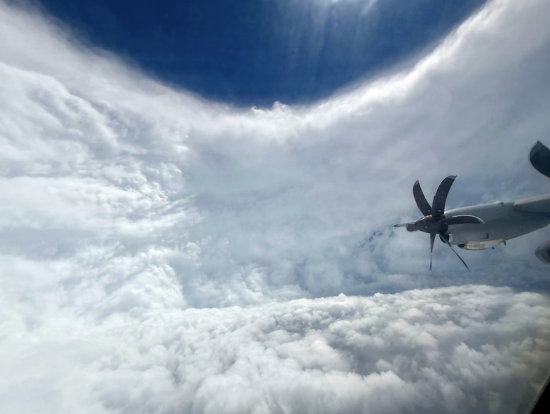 On October 27, a U.S. Air Force crew, known as the “Hurricane Hunters,” flew through Hurricane Melissa, gathering data about the powerful storm. Their pictures were broadcasted on news networks everywhere, especially their photo of the storm’s calm eye.
By the time October 28 rolled around, the islands were ready to face Melissa—the strongest tropical cyclone in 2025.
The first telltale sign of the storm’s distance was power loss. By 10:00 AM on October 27, 35% of Jamaica’s buildings were left without electricity. Places like St. Elizabeth, Westmoreland, St. James, Trelawny and Hanover, who were expected to be hit the hardest, lost all communication.
Melissa made landfall over New Hope as an immensely strong Category 5 hurricane. As it passed through the island, towns were reportedly “underwater,” and some literally “flattened,” by the sheer amount of wind and rain. By the end, about 90% of the town’s homes lost their roofs. In several locations, serious flooding occurred, with entire houses submerged. As for casualties, at least 45 people were killed, 15 are missing, and 96 others were injured.
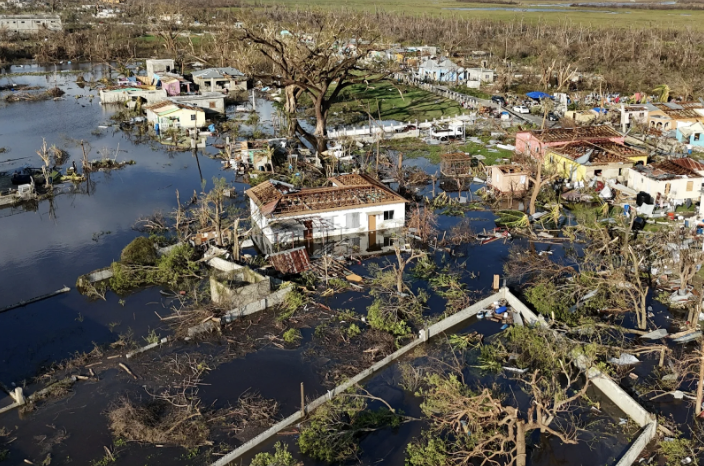 In the aftermath, many communities are left without shelter, clean water, or communication. While recovery efforts are ongoing, the storm has sparked renewed discussion about emergency preparedness and the inevitable impact climate change has (and will continue to have) on extreme weather.