
On December 16, Vanity Fair released bombshell photos of the White House administration, and sent the internet into a frenzy. The photos are up-close, personal, and awkward. They demonstrate unyielding imperfections: stray hairs; wrinkles; lip filler markings. They contain a rawness previously unseen in the White House Staff.
The photographs are a part of a tell-all, insider’s account of the first year of Trump’s second administration, written by Chris Whipple, with collaboration from Photographer Christopher Anderson. Over the last year, they have interviewed and photographed Susie Wiles, JD Vance, and the aptly named “Junkyard Dogs” of President Trump’s administration in order to produce the full picture. In recent years, Anderson has mainly photographed celebrities, but for this photoshoot he has drawn back to his roots of investigative photojournalism. The two disciplines require drastically different lenses, with Celebrity photography making the model look good, and photojournalism capturing the subject as they are. The staff expected the celebrity treatment. JD Vance even joked with Anderson to make him look better than the rest of the staff. 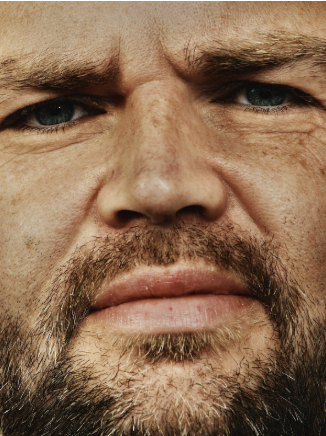
The White House Administration did not get their expected results. Anderson stood very close to the subjects and did not airbrush whatsoever, capturing them fully. The photographs do not glamorize the subjects. They do not exude power or wealth. The colors are faded, evoking a retro feeling. Some of them even come off as gimmicky, as if straight off of an SNL episode. Frankly, they are extremely unflattering, which begs the question: how did these photos get released?
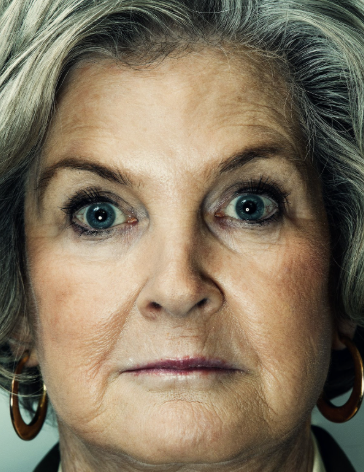
Anderson’s previous style of bold, investigative photojournalism is acclaimed and known, which is evidence that the Trump administration did not do their research. This oversight is a clear connection to how the administration highly disregards the arts; Trump has campaigned to eliminate funding for the National Endowment for the Arts. However, this is a lesson to the White House: Art is intertwined with politics and serves as a message to the public.
But why did it break the internet? This administration has tried its best to carve out a good reputation by funneling information through one perspective. Specifically, Karoline Levitt announced that the White House will be handpicking which news outlets are allowed in (PBS). As a result, a critical article with photographs to match it is unheard of. Especially coming from an insider perspective.
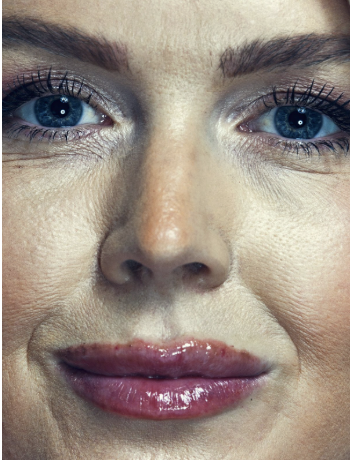
Nowadays, the White House feels so filtered and far removed from our daily lives–this is the first time that we may look up close. We are forced to see these people for all they are, with close up shots lending themselves to a gripping vulnerability. Every pore breaks down the image of a plastic politician. There is a sadness in a blank stare – in the wrinkles and powdered faces – but the photos offer no sympathy.
The photographs take on an apathetic perspective. But for all Anderson claims that he was simply “photographing what he noticed” (Vanity Fair), he made purposeful choices that juxtaposed the politics of the politicians. He told Vanity Fair, “I had Stephen Miller sit underneath one of the oil paintings in the Roosevelt Room that is a beautiful depiction of Native Americans crossing a river on horseback to return to their teepee village home. It was one of those things that — I found it to be kind of interesting and maybe incongruous, that I thought might be picked up on.”
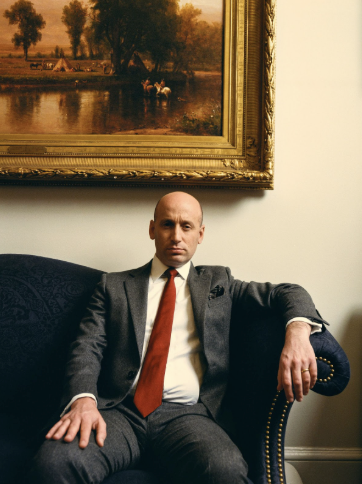
This positioning juxtaposes Miller’s attempts to pass legislation that erases the genocide of Native American populations in public schools. “Easter eggs” like this reveal the true nature of this administration. Anderson’s methods are subtle, but purposeful.
The public’s interest in this photoshoot signifies that we have grown too used to news reporters who fawn towards their subject. Critical journalism should not be a rarity in the White House. It is a must for reporters to be able to question, criticize, and hold our politicians accountable – without being called degrading names. There should not be a monopoly over who gets through the White House door. We need to report news from all perspectives to truly uncover the truth about our administration.