

Whether part of a Galentine’s with the girls or curling up with that special someone, rom-coms are essential to any Valentine’s day. There’s nothing like feeling the warmth of the first ‘meet-cute.’ Quoting the same iconic lines in tandem with the screen. Crying during the big love confession–every single time. You end the movie with a belief in love, or just a sense of comfort.
Romantic Comedies, or rom-coms, have been bewitching audiences for decades. Despite this, they are usually written off as cheesy and are pushed into the ‘chick-flic’ category. But rom-coms serve a greater purpose in our society. Past the corny lines and blindingly attractive actors, they give audiences something to root for. They have given generations hope throughout history. Today, Artificial Intelligence is used in the film industry and generates art that is devoid of any feeling, including love. But these movies are centered around what it means to be human. In a world where AI threatens to take over the world, rom-coms are a must.
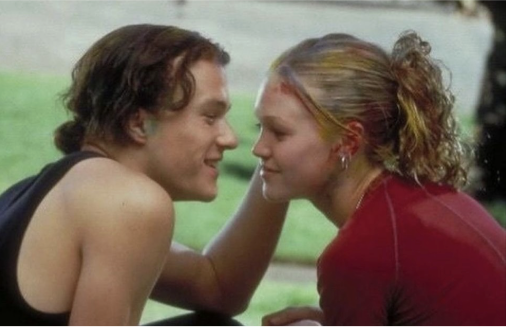
The origins of the genre can be attributed to influential Western writer, William Shakespeare. His plays such as Much Ado About Nothing and A Midsummer Night’s Dream were centered around two people who fell in love despite many obstacles. These stories would be intertwined with humor, giving 17th century audiences a laugh. Some of his plays would inspire future rom-com’s like Ten Things I Hate About You (1999) and She’s the Man (2006), my personal favorites.
As for the first romantic comedy movie, most credit Frank Capra’s It Happened One Night (1934). The movie follows a wealthy socialite (Claudette Colbert) as she runs away with a not-so-wealthy news reporter (Clark Gable). It is a classic rich vs. poor love story. Glamour states, “[t]his genre in particular told Depression-era audiences that money doesn’t buy everything—it gave people hope.”
The film earned over 2.5 million dollars at the box office and established rom-coms as a genre. Many years and many movies later, we would reach the “Golden Age of Rom-Com’s” in the 1990s. It produced titles like Clueless (1995), You’ve Got Mail (1998), and Notting Hill (1999). This era also started the first wave of more diverse stories. Before this, mainstream rom-coms were predominantly centered around white, heterosexual couples. But in the late 90s to early 2000s, a new era emerged.
“This period saw an explosion of iconic rom-coms and dramas that resonated deeply with audiences, showcasing love, friendship, ambition and the essence of Black identity. It was a pivotal moment where Black romance on screen started to feel like it was finally being taken seriously by Black audiences and the industry itself […] In a media landscape that profits off endlessly circulated Black pain, Black romance remains radical.” the Culture Crypt writes.
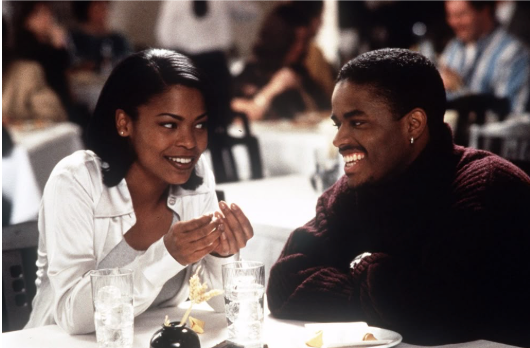
Movies like Love Jones (1997), The Best Man (1999), and Love & Basketball (2000) were all revolutionary to the genre. Similarly, Saving Face (2004) is a queer love story focusing on a Chinese American surgeon (Michelle Kruseic) as she navigates her mother’s (Joan Chen) pregnancy, alongside her dancer girlfriend (Lynn Chen). This movie was the first Chinese American and queer film in Hollywood. In a time where LGBTQ+ marriage was largely illegal, the film inspired courage and overall portrayed queer relationships through a joyful lens.
But just twenty years later, it seems like the Romantic Comedy genre has disappeared. For some time, there was no movie that held true “iconic rom-com status” to our generation. Many actors, particularly male actors, found it beneath them to star in movies of the genre. They did not gain the same acclaim as dramas or the same fanfare as action movies. In addition, there were many unsavory takes on the modern romance that failed to gain the same traction as their predecessors. As a result, the modern rom-com died.

That was until To All the Boys I’ve Loved Before was released in the summer of 2018. Following a fake-dating plot between introverted Lara Jean (Lana Condor) and popular jock Peter Kravinsky (Noah Centineo), the film held a certain warmth and authenticity that previous rom-coms missed. The characters were likeable and relatable to its teenage audience. Teenage girls saw themselves in Lara Jean and began waiting for their Peter Kravinsky.
This all leads one to believe that rom-coms are back, right? However, this film is one of the only modern rom-coms that is not undercut by levels of ‘cringe’. In today’s world, many are scared of being recorded doing something embarrassing, stopping them from acting on their true emotions–including love. Hollywood stopped making rom-coms because we stopped believing in them. We no longer believe in love. We lost hope for our happy ending.
Our future is filled with uncertainty. Our government proves to be unreliable and AI may take our jobs. But it cannot replace love. These movies serve as a reminder of our humanity. They give us fuel to fight for our happy ending. They dare us to hope for more. Maybe that doesn’t entail the perfect partner, but rom-coms inspire us to chase our dreams.
In the words of Emily Bader, lead actress of the newest hit rom-com, People We Meet on Vacation, “You don’t have to end a movie being super anxious for it to be art. It can make you feel happy and wholesome! Also, hope is a good thing to feel,” (FM).