

































The addition of five new rare earth elements on Beijing’s export control list jeopardizes months of progress in trade talks between the US and China. In retaliation, Trump threatened an additional 100% tariff on top of the current 40% average tariff on all Chinese imports as well as export control on “any and all critical software”. These rising tensions influenced a stock market plummet, erasing 2 trillion dollars in equity with the DOW dropping more than 900 points, and the tech-heavy NASDAQ posting its worst day since April.
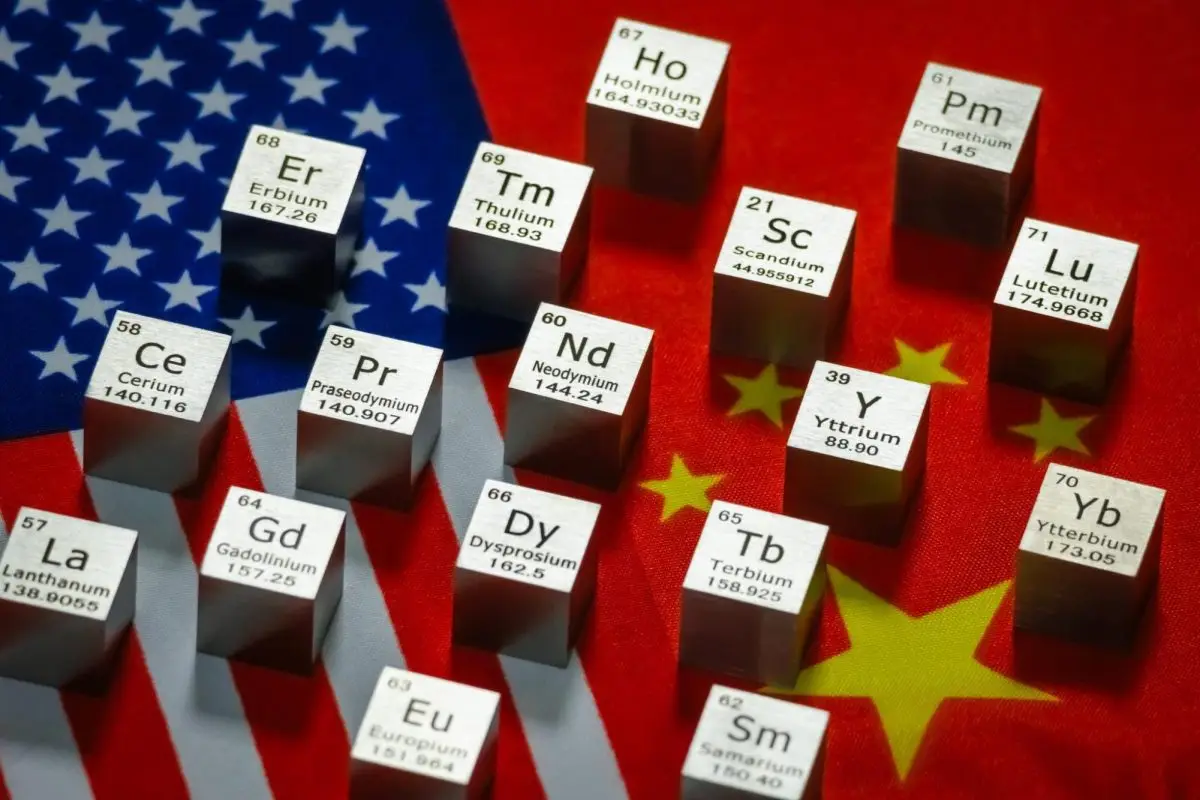
China currently controls more than 90% of global rare earth processing and accounts for 70% of the world’s rare earth mining. Rare earths are used in all technologies, ranging from computers to fighter jets. The export control list requires foreign companies to first get Beijing’s approval if they want to obtain any goods that contain at least 0.1% Chinese rare earth elements. In foreign companies’ request for rare earths, they must state exactly what they’re using the rare earths for; China has made it clear that, in the interest of national security, no military applications will be approved.
Due to their monopoly on the rare earth trade, China is using the export control list, where they’ve put 12 out of 17 types of rare earths under supervision, as leverage over the US in the trade war. These actions came after Trump initiated a trade war with his implementation of reciprocal tariffs in April 2025. Negotiations over trade have been going smoothly for both China and the United States over the past few months, with a highly anticipated APEC summit meeting between their two leaders occurring only in a few weeks. Thanks to the addition of the five new rare earths – holmium, erbium, thulium, europium, ytterbium, and related magnets – Trump has threatened to cancel this meeting with President Xi Jinping.
With the reopening of past wounds and neither side willing to concede, it is unclear how the global economic situation will proceed. However, negotiations and trade talks over rare earths between US officials and China are scheduled for November.